5 Most Common Causes of Roof Leaks in Klang Valley Homes
Discover the top causes of roof leaks in Malaysian homes - from cracked vents to damaged flashing. Know what to look for and when to call a professional.
5 Most Common Causes of Roof Leaks in Klang Valley Homes
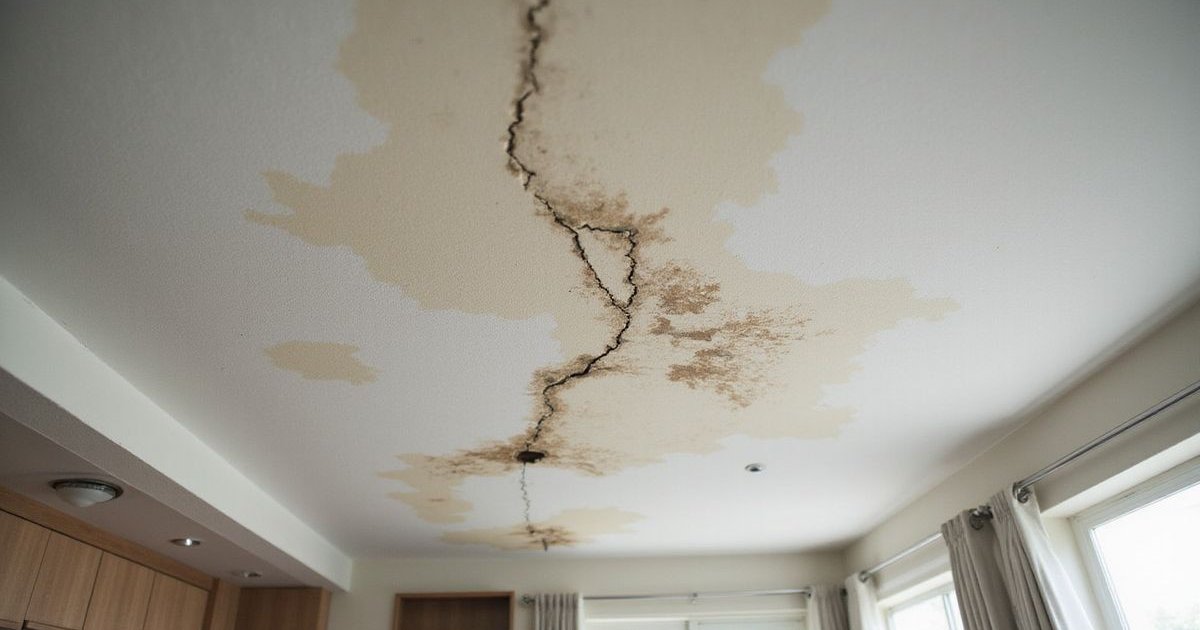
After 16 years of fixing roofs across the Klang Valley, we’ve learned that Malaysian weather has a unique way of testing a home’s limits. You know the situation: it rains every day for a week with no issues, but then one heavy afternoon downpour leaves a spreading stain on your master bedroom ceiling. That unpredictability is frustrating, but the causes behind it are actually quite consistent.
Here are the five most common causes of roof leaks we encounter in Malaysian homes. If you spot any of these issues, our roof leak repair services can help.
1. Damaged or Deteriorating Roof Tiles
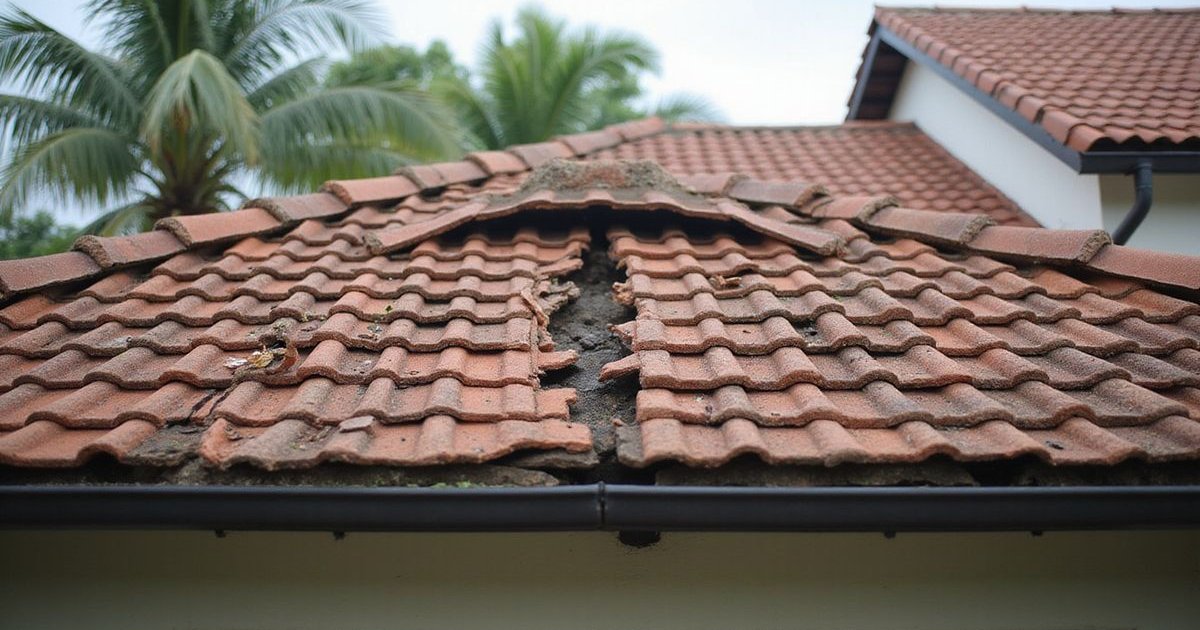
The most common culprit by far is tile damage. In our experience, older neighborhoods in Petaling Jaya and Subang Jaya are particularly prone to this because of the specific clay and concrete tile profiles used during their original construction, such as older Monier or Lama profiles.
Cracked Tiles
Tiles crack from:
- Thermal stress: Malaysian temperatures can swing from 24°C at night to surface temperatures of over 60°C at noon. This constant expansion and contraction causes “hairline fractures” that are invisible from the ground but open up under intense heat.
- Impact damage: Falling branches or debris during storms.
- Foot traffic: Unskilled contractors walking on the “water channels” of the tile instead of the reinforced nose.
- Natural aging: Concrete tiles become more porous after 20-30 years.
A single cracked tile might not seem serious, but water finds its way through surprisingly small openings.
Shifted or Displaced Tiles
Strong winds can lift tiles, breaking their seal with neighbors. We often find this near the eaves or ridges where wind uplift is strongest. Even if the tile doesn’t fall off, a gap of just 5mm is enough for wind-driven rain to enter.
Missing Tiles
Sometimes tiles do fall or break completely. This is obvious when it happens, but tiles in less visible roof areas might go missing unnoticed.
Deteriorated Glazing
Older tiles, particularly glazed ones, can lose their waterproof coating over time. The tile remains intact but absorbs water like a sponge instead of shedding it.
Insider Tip: If you have spare tiles left over from your renovation, keep them in a shaded area. We often find that spare tiles stored outdoors for years are just as brittle as the ones on the roof.
What to look for: Walk around your home periodically and look up at the roof from different angles. Note any tiles that appear cracked, shifted, or different from their neighbors.
2. Failed Flashing
Flashing is the metal or waterproofing material that seals joints where the roof meets walls, chimneys, vents, or changes direction. It’s critical for waterproofing but often overlooked.
Common Flashing Failures
Around Vent Pipes Where plumbing vents penetrate the roof, flashing creates a seal around the pipe. This flashing can:
- Crack from UV exposure.
- Pull away from pipes.
- Corrode over time (especially old zinc flashing).
- Be damaged during maintenance.
At Wall Junctions (The “Step Flashing” Issue) Terrace houses in Malaysia often have leaks where the roof meets the neighbor’s party wall. We frequently see contractors use a simple “L-shaped” flashing that relies solely on sealant. The superior method is “step flashing,” which is woven between the tiles, but it is labor-intensive and often skipped.
Along Roof Edges Edge flashing protects fascia boards and channels water into gutters. Damage here allows water behind the roofline.
Around Skylights and Accessories Any roof penetration is a potential leak point. Flashing around skylights, AC units, and satellite dish mounts requires regular inspection.
Signs of flashing problems: Staining on interior walls near the roofline, especially where the roof meets walls or around ceiling penetrations.
3. Clogged or Damaged Valleys
Roof valleys—the V-shaped channels where two roof slopes meet—handle large volumes of water during rain. They’re high-risk areas for leaks.
Why Valleys Fail
Debris Accumulation Leaves, branches, and dirt collect in valleys, blocking water flow. When water can’t drain, it backs up under tiles.
Valley Lining Damage (The Zinc vs. Stainless Issue) Many older homes were built with standard galvanized iron (zinc) valley trays. These typically rust through after 10-15 years. We strongly recommend upgrading to Zincalume or Stainless Steel valley trays, which can withstand corrosion for decades.
Improper Overlap If tiles don’t properly overlap the valley, water can enter at tile edges.
Sediment Buildup Over years, fine sediment can accumulate and actually hold water against the valley lining, accelerating deterioration.
Prevention tip: Regular gutter cleaning should include clearing debris from valleys. At least twice yearly—before and after monsoon season.
4. Ridge Cap Problems
The ridge cap runs along the peak of your roof where two slopes meet. It’s the highest point and faces significant exposure.
Common Ridge Cap Issues
Failed Mortar (The “Wet Fix” Problem) Traditional ridge caps in Malaysia are bedded in cement mortar. This “Wet Fix” method is rigid and eventually cracks under thermal movement. Once the mortar cracks, the caps loosen, and water seeps into the roof cavity.
The Solution: Dry Fix Systems We are seeing a major shift toward “Dry Fix” systems, which use mechanical fasteners and weather-resistant membranes instead of cement.
| Feature | Traditional Wet Fix (Mortar) | Dry Fix System (Mechanical) |
|---|---|---|
| Material | Sand & Cement Mortar | UV-Resistant Membrane & Clips |
| Flexibility | Low (Cracks with movement) | High (Moves with the roof) |
| Maintenance | Re-pointing every 5-8 years | Maintenance-free for 15+ years |
| Ventilation | Blocks airflow | Allows natural roof ventilation |
Shifted Caps Settlement or movement can shift ridge caps, breaking their seal. Water then enters along the entire ridge line.
Missing Pointing The mortar pointing between caps wears away faster than the bedding beneath. Missing pointing allows water entry.
Warning signs: Loose mortar fragments in gutters, visible gaps along the ridge line, or mortar dust on the ground near your home.
5. Aged Waterproofing Membrane
Many Malaysian homes, particularly those with flat roof sections (balconies, porches, or car porches), rely on waterproofing membranes. These don’t last forever.
Membrane Deterioration Signs
Bubbling Trapped moisture under the membrane creates bubbles. These eventually burst, allowing water entry.
Cracking UV exposure and thermal cycling cause membranes to become brittle and crack, especially at corners and edges. A torch-on bitumen membrane typically lasts 10-12 years in our climate before it needs resurfacing.
Peeling Membranes can lose adhesion to the substrate, peeling up at edges and allowing water underneath.
Ponding Damage Areas where water pools accelerate membrane breakdown. Flat roofs need proper drainage to prevent this.
When membranes fail: If your home has flat roof sections and you’re experiencing leaks, the membrane is the likely culprit. Patching rarely provides lasting solutions—full membrane replacement is usually necessary. Our roof coating services include waterproofing membrane application.
Climate Factors in Klang Valley
Our local climate contributes to all these problems:
Intense UV Radiation Malaysian sun degrades roofing materials faster than temperate climates. UV damage affects tiles, membranes, sealants, and flashing.
Thermal Cycling Daily temperature swings from cool mornings to hot afternoons create constant expansion and contraction. Materials fatigue faster under this stress.
Heavy Monsoon Rains When rain comes, it comes hard. The Klang Valley averages over 2,400mm of rainfall annually, with intense bursts that can overwhelm standard drainage systems. Marginal problems that might go unnoticed in drier climates become active leaks during these downpours.
High Humidity Constant humidity accelerates corrosion and creates conditions for mold and biological growth.
When to Get Professional Help
Some problems require professional attention:
Call immediately if:
- Active leak during rain
- Visible sagging in ceiling
- Large or spreading water stains
- Multiple problem areas
Schedule inspection if:
- Stains that grow after rain
- Musty odors upstairs
- Visible tile damage
- Gutter overflow problems
Preventive inspection:
- Annual checkup recommended
- Before monsoon season
- After major storms
- If roof is 15+ years old
Prevention Is Cheaper Than Repair
Most of these problems develop gradually and can be caught early with regular attention:
- Visual inspections from ground level after storms
- Gutter cleaning twice yearly minimum
- Professional inspection every 1-2 years
- Prompt attention to small problems before they grow
A RM200-300 minor repair today prevents a RM2,000+ major repair next year.
Get Your Roof Assessed
If you’ve noticed any warning signs—stains, odors, visible damage, or just haven’t had your roof checked in years—we offer free inspections throughout Klang Valley.
We’ll identify any current or developing problems and give you honest recommendations. No pressure, no obligation.
Call 016-699 9077 or WhatsApp to schedule your free inspection.
Serving Klang Valley: Petaling Jaya, Subang Jaya, Shah Alam, Kuala Lumpur, and surrounding areas.
Tags
Related Service
Learn more about our Roof Leak Repair services →